Understanding Rappel: What Climbing Sites Don't Say About Listeria
When you type "rappel jambon listeria" into a search engine, you might expect results ranging from rock climbing techniques to gourmet charcuterie. However, the unique combination of these terms often leads to a puzzling disconnect, especially when traditional climbing resources remain silent on foodborne pathogens. This article aims to untangle this linguistic and informational knot, explaining why popular climbing sites – like those from REI or Advnture – rightfully won't mention "jambon listeria" and what crucial information lies beneath this intriguing search query.
At first glance, the word "rappel" immediately conjures images of adventurers descending sheer rock faces with ropes and harnesses. "Jambon," the French word for ham, brings to mind culinary delights, while "Listeria" is a stark reminder of food safety concerns. Why do these disparate elements appear together? The answer lies in a fascinating linguistic nuance and the critical importance of understanding foodborne illness.
Unraveling "Rappel": Two Distinct Worlds
The ambiguity of "rappel" is at the heart of the confusion. Depending on the context and language, its meaning shifts dramatically, leading searchers down potentially incorrect paths if they're not aware of this duality.
Rappel in Rock Climbing: A Descent Strategy
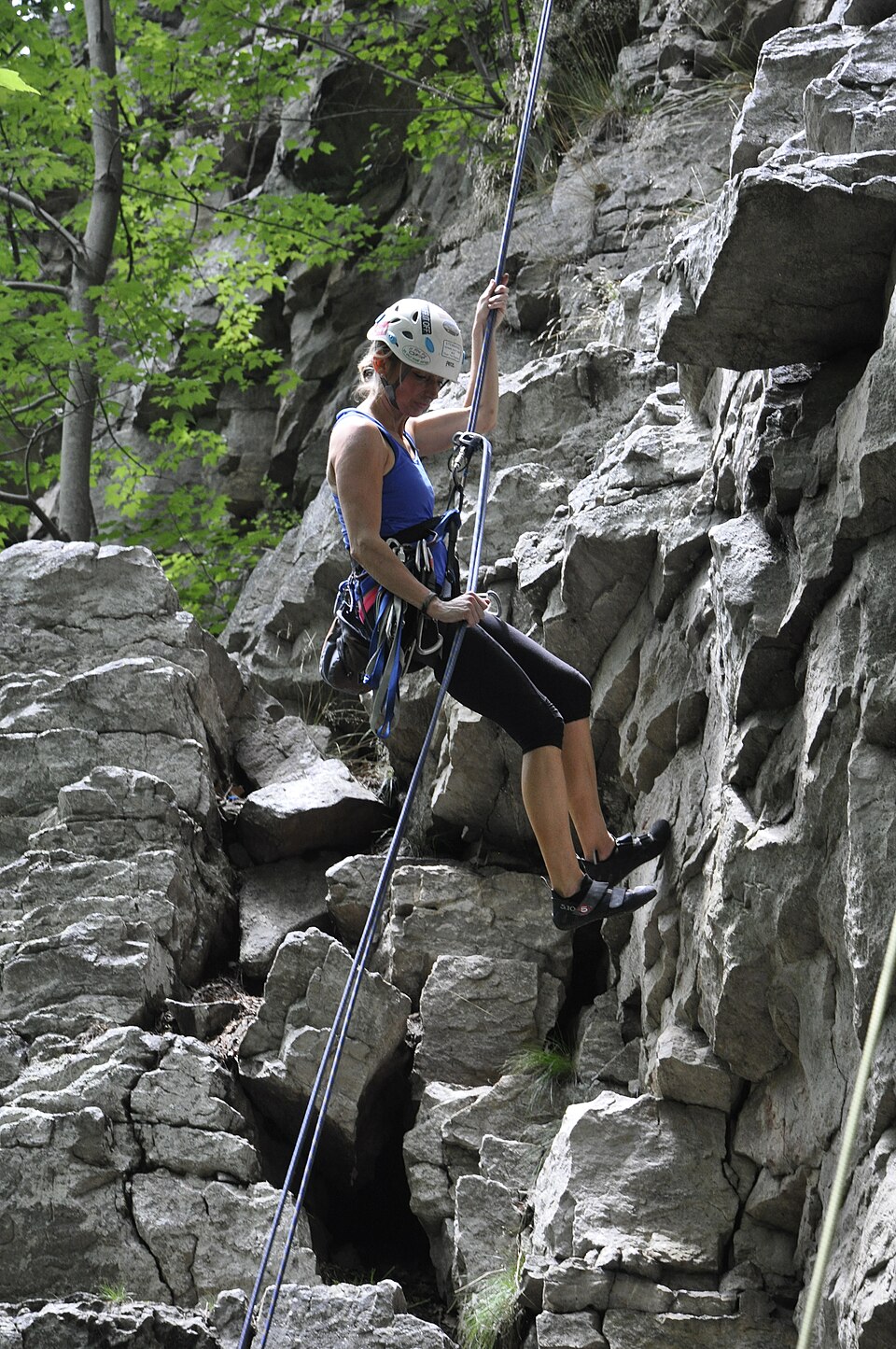
In the world of outdoor adventure, "rappelling" (often called "abseiling" in British English) is a fundamental and essential technique. It involves using a rope, a friction device, and a harness to control one's descent down a vertical surface, such as a cliff, mountain, or even a building. Climbers use rappel to descend after reaching a summit, to retrieve gear, or to navigate technical terrain safely. This process is governed by stringent safety protocols, specialized equipment, and extensive training, all focused on preventing falls and ensuring a secure return to solid ground. Climbing resources, like those from REI Expert Advice or Advnture, dedicate considerable attention to mastering this skill, covering everything from knot tying and anchor setup to proper body positioning and rescue techniques. Their scope is, naturally, entirely focused on outdoor safety and climbing mechanics.
The French "Rappel": A Crucial Linguistic Bridge
Here lies the critical piece of the puzzle: in French, the word "rappel" has an entirely different, yet equally vital, meaning. Beyond the climbing context, "un rappel" commonly refers to a **recall**, particularly in the context of product safety. Therefore, "rappel jambon" translates directly to "ham recall." This linguistic distinction is what connects the seemingly unrelated terms "rappel," "jambon," and "Listeria." When someone searches for "rappel jambon listeria," they are almost certainly looking for information regarding a recall of ham products due to contamination with Listeria bacteria, not a new, perilous method of descending a cliff face with a deli meat sandwich in hand.
Decoding "Jambon Listeria": The Real Concern
Understanding the French meaning of "rappel" clarifies the search, redirecting our focus from the mountainside to the dinner plate, where "jambon" and "Listeria" become a serious public health matter.
Listeria Monocytogenes: A Serious Foodborne Threat
Listeria monocytogenes is a bacterium that causes an infection called Listeriosis. Unlike many other foodborne pathogens, Listeria can grow at refrigeration temperatures, making it a persistent threat in certain types of foods. While relatively rare, Listeriosis can be very serious, even fatal, particularly for high-risk individuals. These include pregnant women (where it can lead to miscarriage, stillbirth, or premature delivery), newborns, the elderly, and people with weakened immune systems (e.g., those with cancer, HIV/AIDS, or organ transplant recipients). Symptoms can range from mild flu-like illness (fever, muscle aches) to more severe conditions like headache, stiff neck, confusion, loss of balance, and convulsions, especially if the infection spreads to the nervous system.
Why "Jambon" (Ham) Is a Focus
Listeria is commonly found in various foods, including unpasteurized dairy products, soft cheeses, raw sprouts, melon, and specific processed meats. Deli meats, such as ham, often fall into the "ready-to-eat" category. This means they are cooked and packaged without the need for further heating by the consumer. However, post-processing contamination can occur in the manufacturing environment, and because Listeria can survive and even multiply at refrigerated temperatures, these products pose a particular risk if contaminated.
For consumers, especially those in high-risk groups, the consumption of cold, ready-to-eat deli meats like ham (jambon) becomes a concern if there's any risk of Listeria contamination. This is precisely why a "rappel jambon" (ham recall) due to Listeria is a critical public health event.
Understanding "Rappel Produit": Navigating Food Recalls
Food recalls, or "rappels produits" in French, are essential mechanisms for protecting public health. They are the means by which unsafe food items are removed from circulation to prevent illness.
The Mechanics of a Food Recall
A food recall is an urgent public safety measure. When a food product is found to be contaminated with harmful bacteria (like Listeria), undeclared allergens, foreign objects, or other hazards, regulatory bodies act swiftly. In France, agencies like ANSES (Agence nationale de sécurité sanitaire de l'alimentation, de l'environnement et du travail) and the DGCCRF (Direction Générale de la Concurrence, de la Consommation et de la Répression des Fraudes) are responsible for monitoring food safety and issuing recalls. Similar bodies exist globally, such as the FDA and USDA in the United States.
When a recall is issued, consumers are typically advised to immediately stop consuming the product, return it to the place of purchase for a refund, or safely dispose of it. These alerts are widely publicized through official government channels, media outlets, and sometimes directly by retailers. The goal is to minimize exposure and prevent illnesses, making consumer awareness of these recalls paramount.
Why Climbing Guides Don't Mention "Rappel Jambon Listeria"
The core insight from the reference context provided is that climbing and outdoor adventure guides make no mention of "rappel jambon listeria." This makes perfect sense when you understand the dual meaning of "rappel." Resources like "How to Rappel: Climbing Skills | REI Expert Advice" or "Rappelling 101: The Ultimate Beginner’s Guide to Getting Down" are dedicated to teaching safe and effective climbing techniques. Their expertise lies in ropes, harnesses, anchors, and risk assessment in vertical environments. Food safety, microbiology, and product recalls fall entirely outside their purview.
It would be as incongruous to find ham recall information in a climbing guide as it would be to find instructions for setting up a climbing anchor in a food safety bulletin. Each domain has its specialized knowledge base and audience. For those searching this unusual combination, understanding this distinction is crucial for finding accurate and relevant information. For more on this distinction, you can read
Rappel Jambon Listeria: Not Found in Climbing Guides and
Rappel Jambon Listeria Searches: Why Climbing Content Differs.
Essential Tips for Food Safety and Listeria Prevention
While climbing guides won't tell you about Listeria, public health authorities certainly will. Practicing diligent food safety is crucial for preventing Listeriosis and other foodborne illnesses.
General Food Handling Best Practices
- Clean: Always wash your hands with soap and warm water before and after handling food. Clean and sanitize all surfaces and utensils that come into contact with food.
- Separate: Keep raw meat, poultry, seafood, and eggs separate from ready-to-eat foods to prevent cross-contamination. Use separate cutting boards and utensils.
- Cook: Cook foods to their proper internal temperatures. Use a food thermometer to ensure meats reach safe temperatures.
- Chill: Refrigerate perishable foods promptly. The "danger zone" for bacterial growth is between 40°F (4°C) and 140°F (60°C). Don't leave food out for more than two hours (or one hour if temperatures are above 90°F/32°C).
Specific Advice for High-Risk Foods (like Ham)
- Reheat Deli Meats: For high-risk individuals, it is strongly recommended to reheat deli meats, including ham, until they are steaming hot (165°F/74°C) before consumption.
- Check Labels: Always read product labels for storage instructions and expiration dates.
- Consume Promptly: Once opened, consume ready-to-eat products like ham within a few days, even if the "best by" date is later.
- Stay Informed on Recalls: Regularly check official government food safety websites for current food recall information. In France, websites like Rappel Conso (rappel.conso.gouv.fr) are excellent resources.
- When in Doubt, Throw It Out: If you suspect a product might be contaminated or if it's part of a recall, do not taste or consume it. Safely dispose of it or return it to the store.
Conclusion
The search term "rappel jambon listeria" perfectly illustrates the power and occasional pitfalls of language and information retrieval. What initially appears to be a bizarre combination of climbing and food safety is, in fact, a clear query for "ham recalls due to Listeria" when understood through the lens of the French language. Climbing sites, dedicated to outdoor adventure, will never cover such topics, and for good reason—it's outside their domain.
This exploration highlights the vital importance of linguistic context and seeking information from the right sources. For rock climbing expertise, turn to mountaineering guides and certified instructors. For critical information on food safety and public health, rely on official government agencies and reputable health organizations. By understanding these distinctions, we can ensure both our climbing adventures are safe and our plates are free from harmful pathogens. Stay informed, stay safe, and always question the context behind your search results.