Rappel Jambon Listeria Searches: Decoding a Curious Query
In the vast landscape of online search queries, some combinations stand out for their sheer uniqueness. The phrase "rappel jambon listeria" is undoubtedly one of them. For anyone familiar with the world of rock climbing and the serious nature of outdoor safety, this search term immediately raises an eyebrow. Why would someone be looking for a connection between rappelling – the controlled descent down a rope – and "jambon" (ham) tainted with the foodborne bacterium Listeria?
Our research into leading climbing resources, including expert advice from REI, detailed guides like "Rappelling 101," and comprehensive outdoor adventure sites such as Advnture, consistently reveals one crucial fact: these authoritative sources make absolutely no mention of "rappel jambon listeria." The absence is not an oversight; it’s a clear indication that this specific combination of terms does not exist within the established discourse of climbing safety or technique. This article aims to unpack this enigmatic search, explore potential interpretations, and provide valuable insights into both the critical aspects of rappelling and the distinct concerns surrounding food safety.
Unpacking the "Rappel Jambon Listeria" Enigma
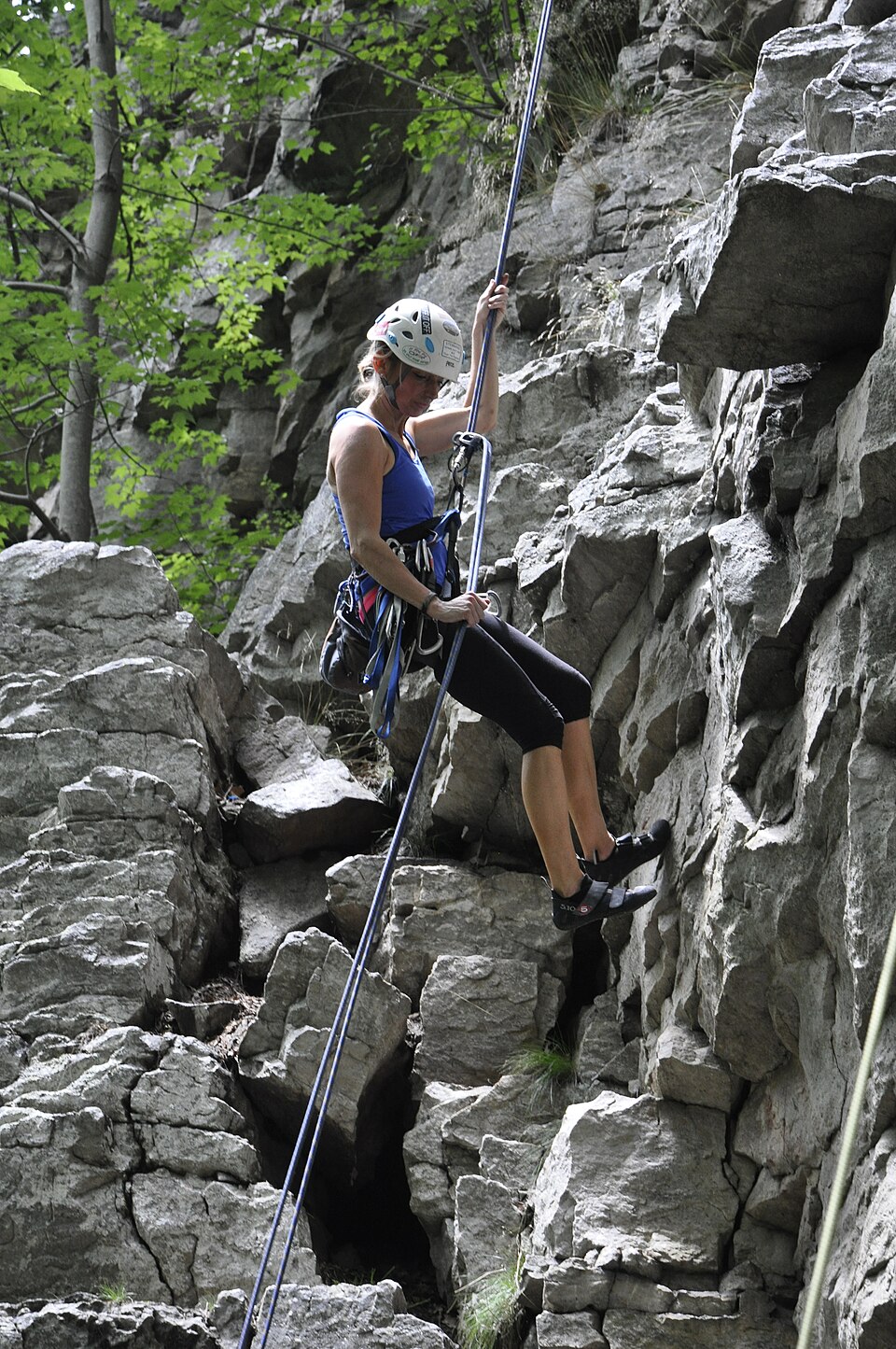
To understand the disconnect, let's break down the components of this unusual search query. First, we have "rappel," a term derived from French, meaning to descend a rock face or other steep surface using a rope and a specialized friction device. It's a fundamental skill in climbing, mountaineering, and canyoneering, requiring precision, proper gear, and rigorous safety protocols.
Then, we encounter "jambon," the French word for ham, a widely consumed deli meat. Paired with this is "listeria," short for Listeria monocytogenes, a type of bacteria known to cause listeriosis, a serious foodborne illness. Listeria is particularly concerning because it can grow at refrigeration temperatures and is often found in ready-to-eat foods like deli meats, soft cheeses, and unpasteurized dairy products.
The immediate puzzle lies in the juxtaposition of these elements. There is no known climbing technique, safety hazard, or equipment related to ham or bacterial contamination. Climbing safety guides focus intently on preventing falls, gear failure, anchor integrity, and environmental hazards – not on the microscopic threats found in food. So, what could prompt such a peculiar search? Possible theories range from a very specific, perhaps obscure, inside joke within a niche group, a highly localized incident that might have temporarily linked disparate concepts, a mistranslation or misunderstanding of terms, or even a creative, albeit unusual, internet meme. Without further context, the "rappel jambon listeria" query remains a linguistic and topical anomaly, highlighting the vast and often unpredictable nature of online information seeking.
Why Traditional Climbing Guides Focus Elsewhere (and It's Not About Ham)
When you consult reputable sources on rappelling, such as those from REI, Advnture, or specialized climbing schools, you'll find a consistent and unwavering focus on essential safety practices. These guides are meticulously crafted to convey life-saving information, and they understandably prioritize elements directly related to the activity itself. The core content revolves around:
- Gear Selection and Inspection: Ensuring harnesses, ropes, carabiners, belay devices (like ATCs or Grigris), and slings are appropriate for the task, in good condition, and free from damage.
- Anchor Building and Redundancy: The critical importance of creating bombproof anchor systems that can withstand extreme forces, often employing multiple points of attachment for redundancy.
- Knots and Hitches: Mastering a variety of knots for tying in, creating anchor systems, and joining ropes, all with an emphasis on correct tying and dressing.
- Technique and Body Positioning: Proper form for smooth, controlled descents, managing rope friction, and avoiding tangles or uncontrolled slides.
- Communication and Buddy Checks: Clear verbal commands between climbing partners and thorough inspections of each other's gear and setup before committing to a rappel.
- Environmental Awareness: Understanding weather conditions, rockfall hazards, and route-specific challenges.
- Self-Rescue and Problem Solving: Basic skills to address common issues like stuck ropes, injured partners, or unexpected obstacles during a descent.
The absence of any discussion on foodborne illnesses like listeria in these contexts is entirely logical. The risks associated with climbing are immediate and physical, demanding absolute attention to mechanical and procedural safety. Introducing concepts like food contamination would not only be irrelevant but could also dilute the focus on the actual dangers climbers face. For a deeper dive into why these topics don't mix in standard literature, you might find it insightful to read Rappel Jambon Listeria: Not Found in Climbing Guides.
The Realities of Rappelling: Safety, Gear, and Technique
While "rappel jambon listeria" may be an internet curiosity, the act of rappelling is a serious undertaking that demands respect and meticulous preparation. Mastering this skill is vital for any climber, mountaineer, or canyoneer, allowing for safe and efficient descent in challenging terrain. Here are some fundamental aspects to consider:
- Essential Gear:
- Harness: A comfortable, secure harness designed for climbing.
- Rope: A dynamic or static climbing rope, appropriate for the specific descent, in good condition.
- Belay/Rappel Device: An ATC, Grigri, or similar device to create friction and control the descent.
- Carabiners: Locking carabiners are crucial for connecting the device to your harness and for anchor systems.
- Anchor Materials: Slings, cordelettes, and additional locking carabiners for building robust anchor points.
- Helmet: Non-negotiable for protecting against head injuries from falls or rockfall.
- Key Safety Principles:
- Redundancy: Always use at least two independent anchor points if possible, and double-check all connections.
- Backup Systems: Employ a third-hand prusik or autoblock knot below your rappel device as a friction hitch backup, especially for beginners or long rappels.
- Clear Communication: Ensure you and your partners use agreed-upon commands and confirm understanding.
- Edge Management: Carefully approach the edge of a cliff or drop-off, ensuring the rope runs freely and is not snagged.
- Rope Management: Keep the rope organized to prevent tangles and ensure a smooth pull-down once the rappel is complete.
- Basic Technique:
- Setting Up: Securely attach your rappel device to your harness and the rope, performing a thorough safety check.
- Weighting the System: Gradually transfer your weight onto the rappel system, ensuring everything feels solid before committing fully.
- Controlled Descent: Use your brake hand (the hand below the device) to control the speed of your descent. Maintain a stable body position, often with feet shoulder-width apart, pushing off the rock face.
- Bottoming Out/Transitioning: Be aware of the end of the rope or any subsequent anchors. Always tie stopper knots in the ends of your rope when rappelling to prevent accidentally rappelling off the end.
Proper training from certified instructors is paramount before attempting to rappel independently. Practicing in a controlled environment can build confidence and muscle memory for these critical safety procedures.
Understanding the Food Safety Angle: When "Listeria" is a Concern
While rappelling demands physical safety, the "listeria" part of the original query points to an entirely different, but equally serious, domain: food safety. Listeria monocytogenes is a bacteria that can cause severe illness, particularly in vulnerable populations such as pregnant women, newborns, the elderly, and individuals with weakened immune systems. The primary concern with listeria lies in its ability to thrive at refrigerated temperatures, making it a threat in foods that are not cooked before consumption.
Foods most commonly associated with listeria outbreaks include:
- Deli Meats: This is where "jambon" (ham) comes into play. Pre-packaged or freshly sliced deli meats, hot dogs, and patés can harbor the bacteria.
- Soft Cheeses: Feta, brie, camembert, and blue-veined cheeses, especially those made from unpasteurized milk.
- Unpasteurized Dairy Products: Milk, yogurt, or ice cream made from raw milk.
- Smoked Seafood: Refrigerated smoked salmon or trout.
- Certain Raw Produce: Sprouts and melons (e.g., cantaloupe) have been implicated in outbreaks if contaminated during processing.
Preventing listeriosis primarily involves:
- Proper Cooking: Heating foods to their safe internal temperatures.
- Refrigeration: Keeping perishable foods at 40°F (4°C) or below and consuming them within recommended timeframes.
- Good Hygiene: Washing hands, utensils, and surfaces before and after handling food.
- Avoiding Cross-Contamination: Keeping raw meats separate from ready-to-eat foods.
- High-Risk Groups: Advising pregnant women and immunocompromised individuals to avoid high-risk foods entirely.
Clearly, the strategies for preventing listeria contamination are entirely distinct from those for safe rappelling. While both aim to mitigate risk, their methodologies, environments, and potential hazards are worlds apart. For more on this critical distinction, you can explore Understanding Rappel: What Climbing Sites Don't Say About Listeria.
Conclusion: Bridging the Divide Between Climbing Safety and Food Health
The peculiar search query "rappel jambon listeria" serves as a fascinating example of how disparate concepts can collide in the digital age. What it unequivocally demonstrates is the clear distinction between the rigorous safety protocols of rock climbing and the critical standards of food hygiene. Reputable climbing resources, as confirmed by our review of leading expert advice, are singularly focused on ensuring the physical safety of individuals engaging in vertical endeavors. Their content is devoid of any mention of foodborne pathogens because such concerns fall outside the scope of mechanical integrity, knot security, and descent technique.
Conversely, concerns about listeria are firmly rooted in public health and food science, dictating safe handling, storage, and preparation practices for consumable goods. While both domains are crucial for human well-being, they operate with distinct frameworks, expertise, and preventive measures. For those seeking information on safe rappelling, always consult certified instructors and established climbing guides. For concerns about food safety and listeria, defer to public health organizations and food safety authorities. The intersection of "rappel jambon listeria" remains an intriguing linguistic quirk rather than a genuine cross-disciplinary concern, reminding us that clarity of terminology is paramount in both the adventurous world of climbing and the vital arena of public health.