Unpacking "Rappel Jambon Listeria": A Curious Case in Outdoor Discourse
The phrase "rappel jambon listeria" is, without a doubt, a head-scratcher. For anyone deeply embedded in the world of rock climbing and outdoor adventure, seeing these three distinct terms — a crucial climbing technique, a deli meat, and a foodborne pathogen — strung together immediately raises an eyebrow. And for good reason: search for "rappel jambon listeria" in any reputable climbing guide, outdoor survival manual, or wilderness first-aid handbook, and you'll find nothing. Absolutely nothing directly connecting the act of rappelling with ham and listeria bacteria.
This isn't an oversight by expert authors or a secret code for an obscure climbing hazard. Instead, it highlights a fascinating intersection (or rather, a divergence) of safety concerns that, while individually critical, typically operate within entirely separate domains. Climbing guides, as referenced in the provided context from REI, Advnture, and other sources, are meticulously focused on the mechanics of safe descent, gear integrity, and environmental awareness specific to vertical environments. They delve into ropes, anchors, belay devices, and precise techniques for managing gravity. They do not, and understandably so, address the microbiological hazards associated with picnic meats.
So, why would someone search for "rappel jambon listeria"? This unique query prompts us to consider two fundamental, yet distinct, aspects of outdoor safety: the precision of technical climbing and the vigilance required for food handling in challenging environments. While seemingly disparate, both demand careful planning, informed decision-making, and a keen awareness of potential risks. Our goal here is to unravel this intriguing search term, explore why it doesn't appear in climbing literature, and, most importantly, provide valuable insights into both safe rappelling and responsible food practices for the intrepid adventurer.
The World of Rappelling: Precision, Gear, and Gravity Management
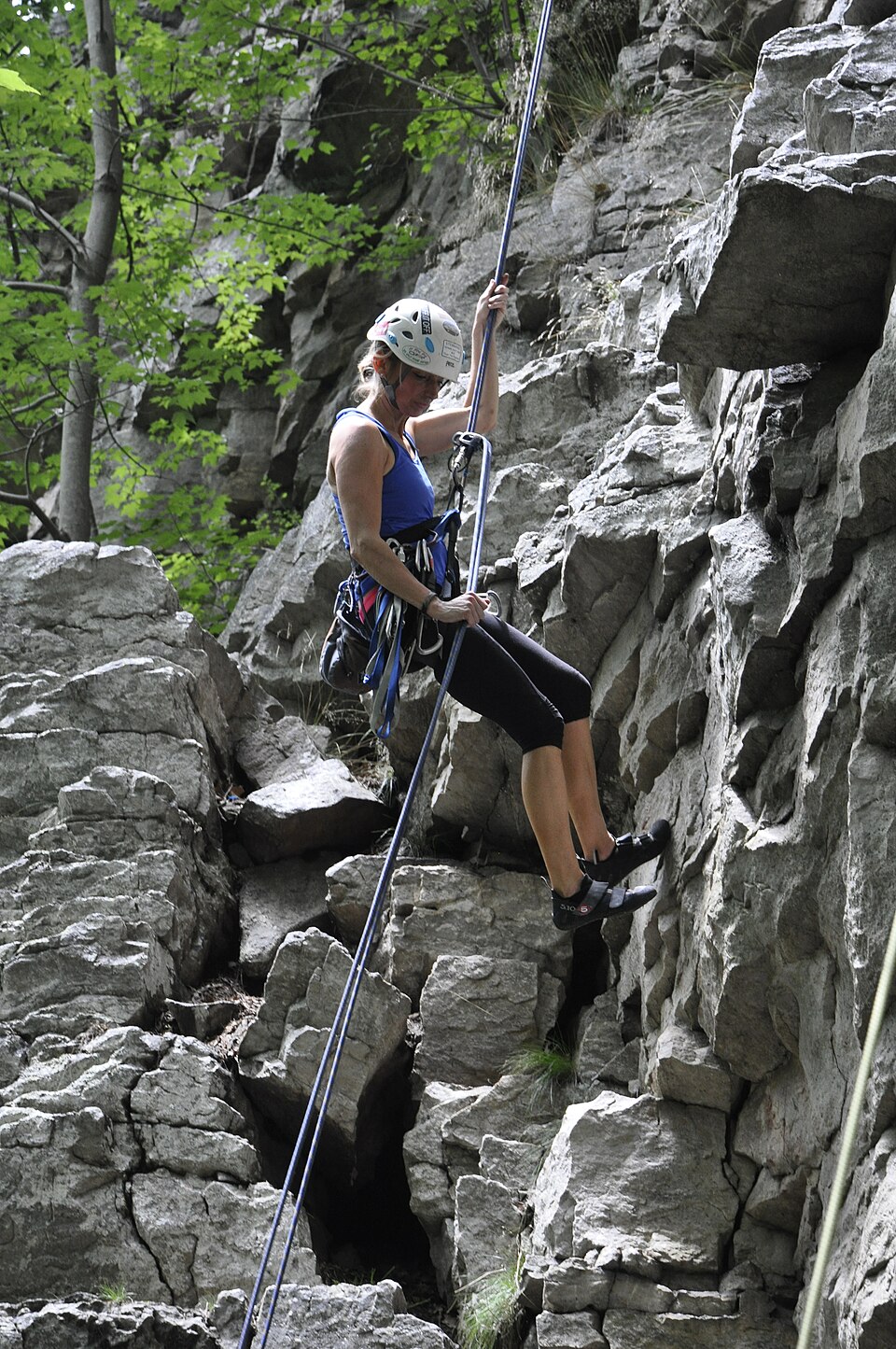
Rappelling, or abseiling as it's known in some parts of the world, is a fundamental skill for many climbers, canyoneers, and mountaineers. It's the controlled descent of a rope using specialized equipment, allowing individuals to navigate vertical terrain safely and efficiently. The core principles of rappelling revolve around:
- Secure Anchors: The foundation of any rappel is a bombproof anchor system, whether natural (trees, boulders) or artificial (bolts, pitons), ensuring it can withstand significant force.
- Reliable Gear: A dedicated rappel device (like an ATC, figure-eight, or Grigri), a sturdy harness, a robust climbing rope, and locking carabiners are essential. Each piece of equipment must be inspected for wear and tear.
- Correct Technique: Proper body positioning, friction management, and a controlled descent rate are paramount. Mismanagement can lead to loss of control or rope burns.
- Backup Systems: Often, a "fireman's belay" from below or a prusik knot above the rappel device serves as a friction hitch for an auto-block or backup, adding a layer of redundancy.
- Environmental Awareness: Assessing rockfall potential, rope snags, and weather changes is crucial for a safe descent.
Climbing guides dedicate extensive chapters to these elements, providing step-by-step instructions, illustrations, and warnings. Their focus is solely on the mechanics of descending safely, ensuring the climber mitigates risks associated with equipment failure, human error, and environmental hazards inherent to the vertical world. There's no room here for discussions on microbial contamination because the immediate, acute dangers of falling or equipment malfunction take precedence.
Food Safety in the Wild: Addressing the "Jambon Listeria" Dilemma
Now, let's pivot to the "jambon listeria" part of our intriguing search query. While rappelling is about conquering vertical challenges, food safety in the outdoors is about conquering invisible threats that can ruin a trip – or worse, lead to serious illness. Listeria monocytogenes is a bacteria that causes listeriosis, a potentially severe foodborne illness. It's particularly concerning because, unlike many other foodborne pathogens, it can grow even at refrigeration temperatures. Foods commonly associated with Listeria outbreaks include deli meats (like ham or "jambon"), soft cheeses, unpasteurized milk, and certain raw vegetables.
Bringing perishable foods like ham into the backcountry introduces a specific set of challenges:
- Temperature Control: Keeping food at safe temperatures (below 40°F/4°C or above 140°F/60°C) is difficult without refrigeration. Ham left in a warm backpack for hours or days is an ideal breeding ground for bacteria.
- Cross-Contamination: Handling raw or perishable foods without proper hygiene (e.g., handwashing, separate cutting boards) can transfer bacteria to other foods or surfaces.
- Water Source: Contaminated water used for cooking or cleaning can also introduce pathogens.
- Extended Storage: Multi-day trips increase the risk of food spoilage, especially for items with short shelf lives.
For outdoor enthusiasts who want to enjoy good food without risking illness, the following tips are invaluable:
- Choose Wisely: Opt for non-perishable or shelf-stable alternatives like jerky, dehydrated meals, hard cheeses, canned goods, or vacuum-sealed smoked meats with long shelf lives.
- Pack Smart: If you must bring perishables, use insulated coolers with plenty of ice or ice packs. Pack food tightly to minimize air pockets. Consume them early in the trip.
- Hygiene is Key: Always carry hand sanitizer and biodegradable soap. Wash hands thoroughly before and after handling food.
- Cook Thoroughly: If cooking, ensure food reaches appropriate internal temperatures.
- When in Doubt, Throw it Out: If food smells off, looks unusual, or has been at unsafe temperatures for too long, it's safer to discard it than risk illness.
This is the domain of outdoor cooking guides, wilderness first aid, and general health advice – a vital part of any responsible outdoor adventure, but distinctly separate from the technical instructions for safe rope work.
Where Two Worlds Diverge: Climbing Protocol vs. Culinary Caution
The core reason "rappel jambon listeria" is absent from climbing guides is simple: the expertise required for each component is highly specialized and generally non-overlapping. A climbing instructor is an expert in knots, rope systems, fall factors, and anchor integrity. A food safety expert, on the other hand, understands microbiology, temperature danger zones, and proper food handling techniques.
Climbing guides, like those from REI or Advnture, are designed to impart life-saving skills related to vertical movement. Their content is curated to address immediate, high-consequence risks associated with gravity and equipment. Foodborne illnesses, while potentially severe, are a different category of risk – typically slower onset, with symptoms ranging from mild discomfort to extreme debility, and stemming from completely different causal factors.
Both fields operate under rigorous safety protocols, but their frameworks are distinct. Climbing safety protocols are about preventing falls, managing friction, and ensuring structural integrity. Food safety protocols are about preventing microbial growth, avoiding contamination, and ensuring proper storage and preparation. While a climber might carry food on a multi-pitch climb, the instructions for *how* to rappel safely would never include guidelines for *how* to safely store their ham sandwich. For a deeper dive into this fascinating disconnect, consider Understanding Rappel: What Climbing Sites Don't Say About Listeria.
Integrating Safety: From Summit to Supper
Despite their separate natures, the very existence of the "rappel jambon listeria" search query underscores a broader, vital principle for all outdoor enthusiasts: comprehensive preparedness. True wilderness competence isn't just about mastering a single skill; it's about holistically managing all foreseeable risks, from the technical demands of a climb to the logistical challenges of sustenance.
Consider the overarching theme of risk assessment. A climber assesses the risk of a loose rock or a faulty carabiner. A backcountry chef assesses the risk of food spoilage or contamination. Both are critical, and both require planning, knowledge, and appropriate equipment. An adventurer who excels at rappelling but succumbs to food poisoning is as compromised as one with pristine food but faulty gear.
Practical integration of safety principles means:
- Holistic Trip Planning: Before embarking on any adventure, consider all facets: the technical demands, the environmental conditions, the duration, and the logistical needs (including food and water).
- Specialized Knowledge for Each Domain: Seek out expert advice for each area. Learn rappelling from certified instructors and reputable guides. Educate yourself on outdoor food safety from health organizations or experienced outdoor cooks.
- Appropriate Gear for Every Need: Just as you wouldn't rappel without a harness, you shouldn't carry perishables on a multi-day trip without adequate cooling and storage solutions.
Ultimately, the best outdoor experiences are those where every element of safety, from conquering challenging terrain to enjoying nourishing meals, has been thoughtfully addressed. The unique search for "rappel jambon listeria" serves as a quirky reminder that while specific expert domains don't intertwine directly, the spirit of thorough preparation and risk mitigation is universal across all aspects of adventure. For more on how diverse search queries reflect distinct areas of outdoor content, you might find Rappel Jambon Listeria Searches: Why Climbing Content Differs illuminating.
In conclusion, while you won't find "rappel jambon listeria" in any climbing guide, the curiosity it sparks leads us to a crucial understanding: outdoor safety is multi-faceted. Rappelling demands absolute technical precision and the use of reliable, well-maintained gear. Food safety in the wild requires careful planning, proper storage, and diligent hygiene to prevent illnesses like listeriosis, especially when dealing with potentially risky items like ham. By understanding and addressing these distinct yet equally important safety considerations, adventurers can ensure their expeditions are not only thrilling but also healthy and secure, from the dizzying heights of a rappel to the simple pleasure of a wilderness meal.